

Seedream 5.0 vs Nano Banana Pro: Which AI Image Model Is Better for Design, Editing, and Production Work?
If you want the short answer first, it is this:
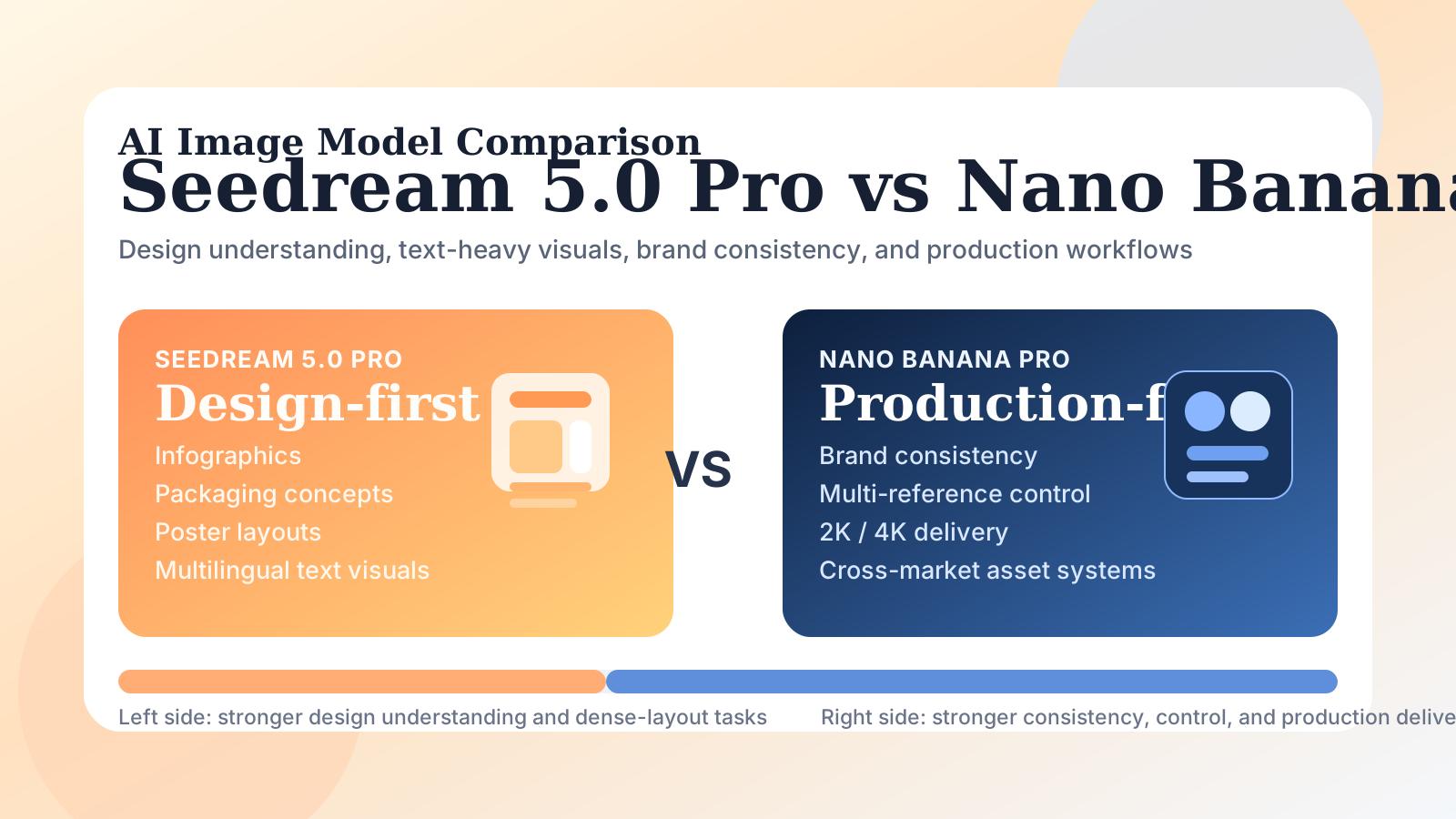
- Choose Seedream 5.0 Pro if your work revolves around posters, packaging concepts, infographics, dense layouts, and text-rich design tasks.
- Choose Nano Banana Pro if your work depends more on brand consistency, multi-reference control, professional editing, and higher-resolution production output.
That sounds neat, but in practice the two models overlap just enough to confuse people. Both talk about multilingual text. Both talk about editing. Both talk about design workflows. Both can generate polished images. So the real question is not whether one is universally better. The real question is which one is better for the kind of work you actually need to ship.
This guide compares Seedream 5.0 Pro and Nano Banana Pro using official product positioning, feature descriptions, and workflow signals. The goal is to help you answer the practical questions users usually have: Which one is better for posters? Which one is better for multilingual assets? Which one is better for high-consistency brand work? And which one gives you the safer path when quality, control, and time all matter?
What Seedream 5.0 Pro Is Really Trying to Do
Seedream 5.0 Pro is not positioned as a generic image generator with slightly better quality. ByteDance Seed's official launch on July 8, 2026 presented it as a model that "understands design" and closes the gap between a creator's intent and usable visual output.
That wording matters because ByteDance did not emphasize only photorealism or prompt following. It highlighted four specific capability areas:
- complex information visualization
- interactive precision editing
- realistic materials and portrait textures
- native multilingual input and generation
In other words, Seedream 5.0 Pro is being sold as a design-oriented model, not just a visual one. It is supposed to handle layouts, data-heavy content, posters, annotated visuals, and localized graphics more intelligently than a typical "make me an image" model.
On the Nano Banana implementation page, that positioning becomes more concrete. Seedream 5.0 Pro is described as a workflow for turning detailed briefs into polished images, with support for text-to-image, image-to-image, up to 10 reference images, multilingual text rendering, and 1K or 2K output. The examples and FAQ also point directly at posters, packaging concepts, infographics, diagrams, and campaign visuals.
That gives Seedream 5.0 Pro a fairly clear identity: it is strongest when the image needs to function like designed communication, not only visual atmosphere.
What Nano Banana Pro Is Really Trying to Do
Nano Banana Pro is positioned differently. It is less about "understanding design" as a category and more about supporting heavier professional creative workflows.
The Nano Banana Pro product pages emphasize:
- clearer text generation
- real-world knowledge integration
- multilingual localization
- subject consistency across multiple images
- studio-quality control over lighting, focus, angles, aspect ratios, and resolution
- higher-resolution output up to 4K
That is a different promise. Nano Banana Pro is not only saying, "I can make attractive layouts." It is saying, "I can help you build controlled, repeatable, production-grade asset systems."
This becomes even clearer in the Nano Banana Pro FAQ and capability sections. The model is framed as a better fit for brand campaigns, multilingual marketing materials, diagrams, product mockups, educational graphics, and workflows where the same subject or object must stay recognizable across many outputs.
So if Seedream 5.0 Pro feels like a design-native image model, Nano Banana Pro feels more like a professional production model for image systems.
The Fastest Way to Understand the Difference
Here is the simplest useful comparison:
| Category | Seedream 5.0 Pro | Nano Banana Pro |
|---|---|---|
| Core positioning | Design-aware image generation and editing | Professional creative workflow model |
| Best-known strengths | Infographics, posters, packaging, multilingual text-heavy layouts | Brand consistency, multi-reference control, pro editing, high-res delivery |
| Editing angle | Precision editing tied to spatial layout and local design changes | Broader production editing with studio controls and consistency features |
| Resolution positioning | 1K and 2K | Up to 4K |
| Reference support | Up to 10 images on Nano Banana's implementation | Up to 14 objects and multi-subject consistency claims on Nano Banana Pro pages |
| Better fit for | Dense briefs, visual communication, layout-heavy assets | Reusable brand assets, campaigns, product systems, cross-market production |
For most people, that table already tells the story. But the details matter when your workflow sits in the middle.
Where Seedream 5.0 Pro Has the Clearer Advantage
The most obvious Seedream 5.0 Pro advantage is that its official materials keep returning to the same pattern: design understanding, information hierarchy, and layout-heavy communication.
ByteDance's launch article gives unusually concrete examples:
- a dense Antarctic research infographic that combines charts, timeline elements, and realistic imagery in one frame
- educational infographic layouts
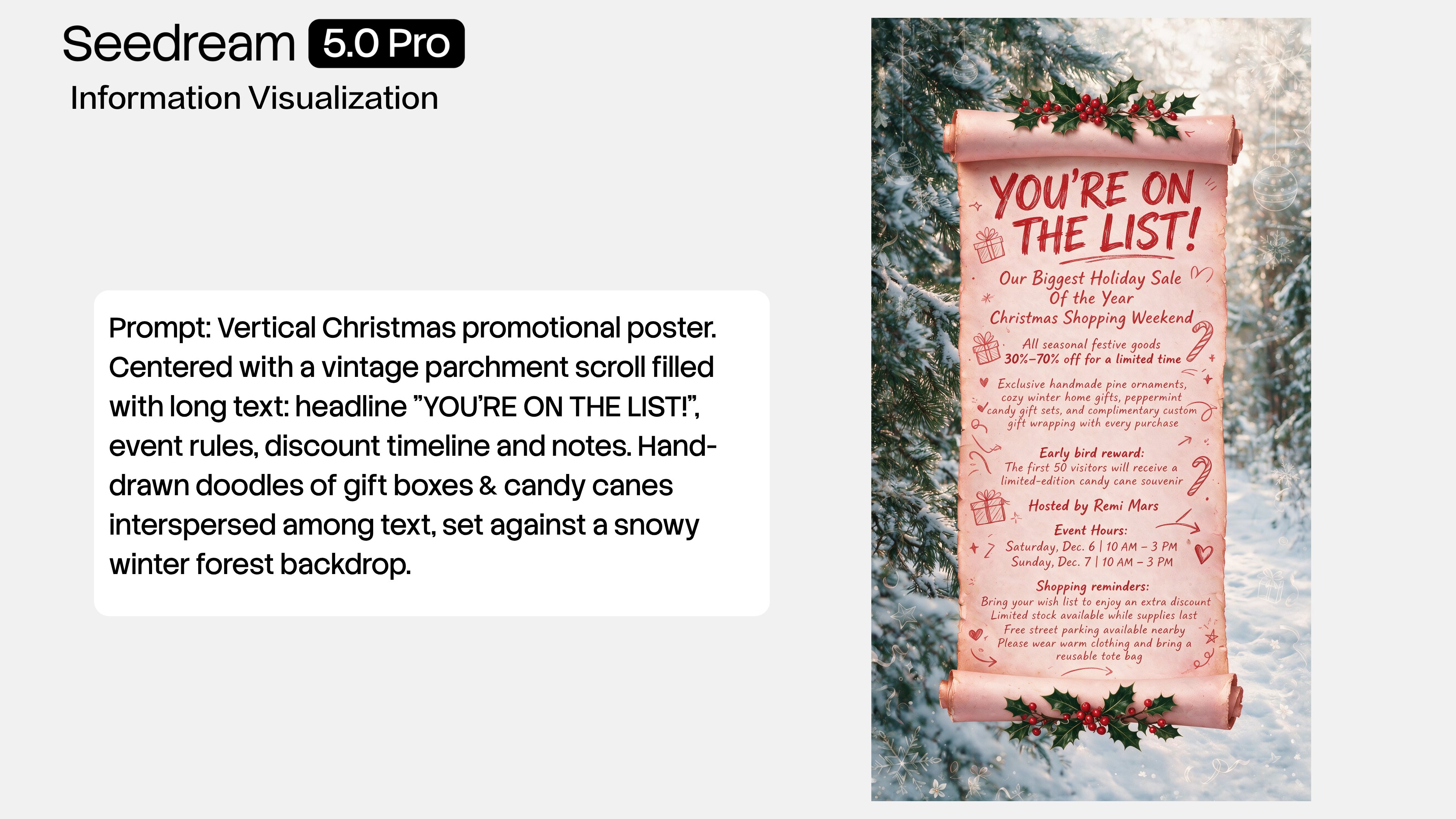
- a winter sale poster with multi-tier text hierarchy
- a UI-style pet ecommerce homepage mockup
- localized menu translation while preserving layout structure
That is not normal landing-page fluff. It is a specific statement about what the model is expected to do well.
If your actual work looks like this, Seedream 5.0 Pro is immediately compelling:
- poster design with lots of readable copy
- packaging concepts that need hierarchy and visual balance
- infographics or annotated educational visuals
- pitch-deck style concept boards
- visual explainers where layout is part of the meaning
- multilingual campaign mockups where language has to sit naturally in the design
That is why Seedream 5.0 Pro looks stronger for teams who care less about "cinematic control" and more about whether the model can translate a dense brief into something that already feels like designed output.
Where Nano Banana Pro Has the Clearer Advantage
Nano Banana Pro starts pulling ahead when the job is not just to make one good image, but to maintain control across many images.
Its official positioning repeatedly emphasizes three production concerns:
- consistency across multiple scenes and assets
- stronger professional control over shot, lighting, focus, and aspect ratio
- higher-resolution outputs for more serious delivery needs
This matters for workflows like:
- building a product campaign with repeatable visual identity
- keeping a mascot or character stable across a long asset chain
- creating the same message across many markets and ad formats
- adapting an image system for ecommerce, paid social, display, and presentation use
- pushing assets toward 2K or 4K final delivery
The Nano Banana Pro pages also describe "real-world knowledge integration" and localization features in ways that make it useful for diagrams, educational materials, and global marketing. That overlaps with Seedream 5.0 Pro in some areas. The difference is that Nano Banana Pro wraps those capabilities inside a more production-oriented toolset.
So when the brief starts sounding like "keep this consistent," "match the brand," "reuse these references," or "make this ready for broader rollout," Nano Banana Pro becomes the safer answer.
Text Rendering and Multilingual Work: Both Are Strong, but for Slightly Different Reasons
This is one of the most important overlaps in the comparison.
Seedream 5.0 Pro and Nano Banana Pro both make strong claims around multilingual text and design-heavy visuals. But they frame that strength differently.
Seedream 5.0 Pro presents multilingual text as part of its design intelligence. The emphasis is on rendering text naturally inside layouts, preserving hierarchy, and adapting typography to localized reading habits. It feels strongest when text is part of the visual design problem.
Nano Banana Pro presents multilingual text as part of a broader commercialization and localization pipeline. The emphasis is on translating and localizing ideas across markets while keeping assets usable, consistent, and professionally controlled. It feels strongest when text is part of a reusable production system.
That leads to a practical rule:
- If the challenge is "make this design read well," Seedream 5.0 Pro has the better story.
- If the challenge is "make this asset family reusable across markets," Nano Banana Pro has the better story.
Resolution, Control, and Delivery Standards Matter More Than People Think
One of the easiest ways to separate these models is to look at output expectations.
On Nano Banana's Seedream 5 Pro page, the workflow is clearly framed around Basic 1K and High 2K output. That is not weak. For many design tasks, especially concepting and digital review, 1K and 2K are perfectly reasonable.
Nano Banana Pro, however, is positioned around output flexibility up to 4K, plus more advanced control over:
- camera angles
- depth of field
- lighting direction
- color grading
- aspect ratio adaptation
This does not mean Seedream 5.0 Pro cannot produce polished work. It means Nano Banana Pro is marketed more aggressively as a finishing and delivery model.
If your end product is mostly on-screen design review, concept boards, posters, annotated visuals, or campaign mockups, Seedream 5.0 Pro may already be enough. If your end product is client-facing, multi-format, reusable, or expected to survive heavier scrutiny, Nano Banana Pro offers the higher output ceiling.
Reference Images and Consistency: This Is One of Nano Banana Pro's Best Arguments
Seedream 5.0 Pro supports up to 10 reference images in Nano Banana's implementation, and ByteDance's official blog shows that multi-image fusion is part of the model's creative workflow story.
That is meaningful. It means Seedream 5.0 Pro is not limited to single-prompt design generation.
But Nano Banana Pro makes consistency a much more central part of its value proposition. Its official pages explicitly talk about:
- up to five consistent characters
- up to fourteen objects in a single workflow
- maintaining recognition across multiple assets
- using references to build brand and campaign systems
That makes Nano Banana Pro more convincing for:
- repeated product catalog variations
- brand mascot systems
- scene families with the same visual identity
- campaign rollout across many formats
- teams that need continuity more than novelty
So while both models can work with references, Nano Banana Pro has the stronger case when consistency is not a nice-to-have, but the whole reason you are paying for the model.
When You Should Choose Seedream 5.0 Pro
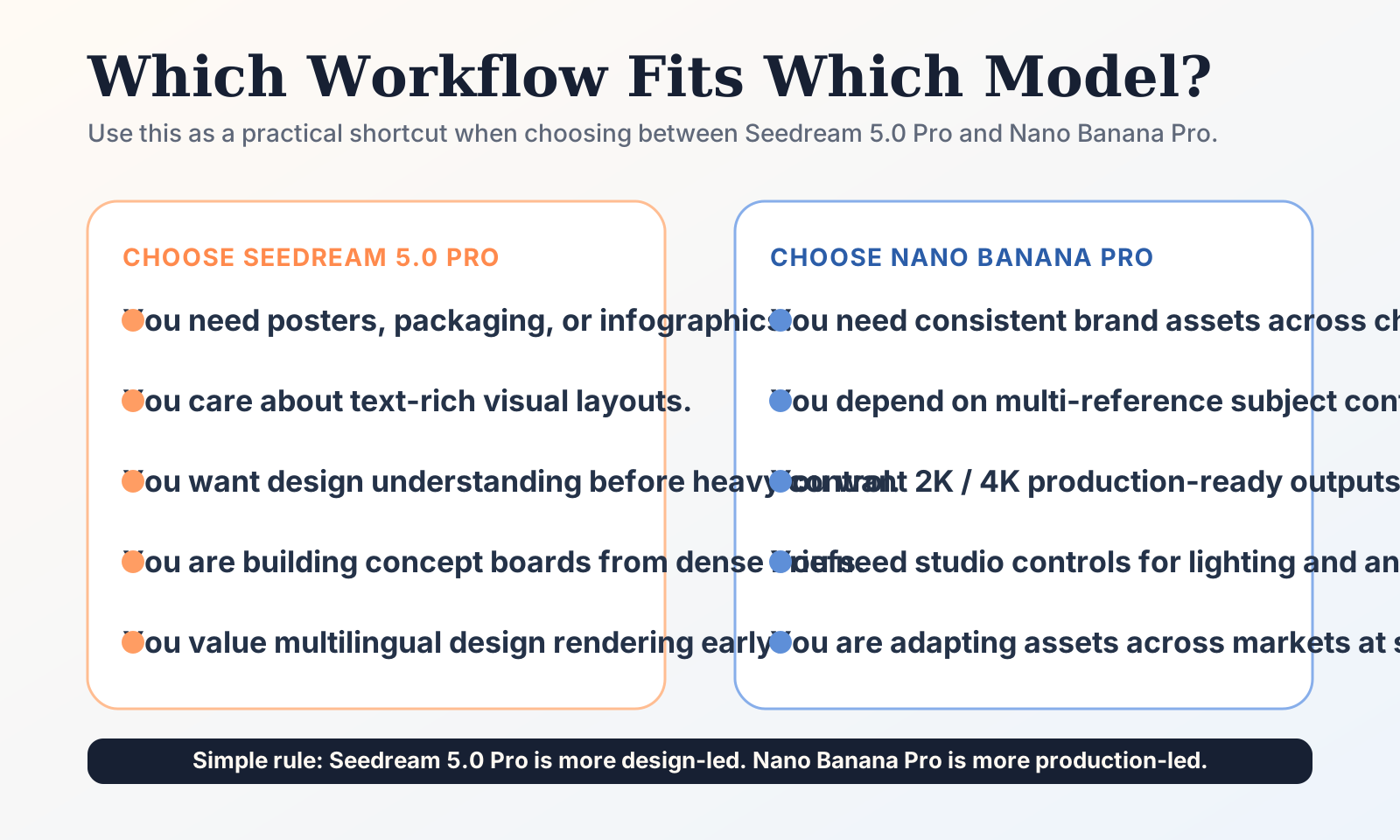
Choose Seedream 5.0 Pro if your work is mostly about turning detailed communication into designed visuals.
It is likely the better choice when you need:
- infographics that balance text, structure, and aesthetics
- poster layouts with lots of readable copy
- packaging concepts and visual merchandising ideas
- educational diagrams or slide-like concept visuals
- multilingual mockups where typography has to sit naturally in the design
- a model that feels more design-literate than generic
Put differently, Seedream 5.0 Pro is strongest when the image itself needs to behave like a designed document.
When You Should Choose Nano Banana Pro
Choose Nano Banana Pro if your work is more about controlled production than layout intelligence alone.
It is likely the better choice when you need:
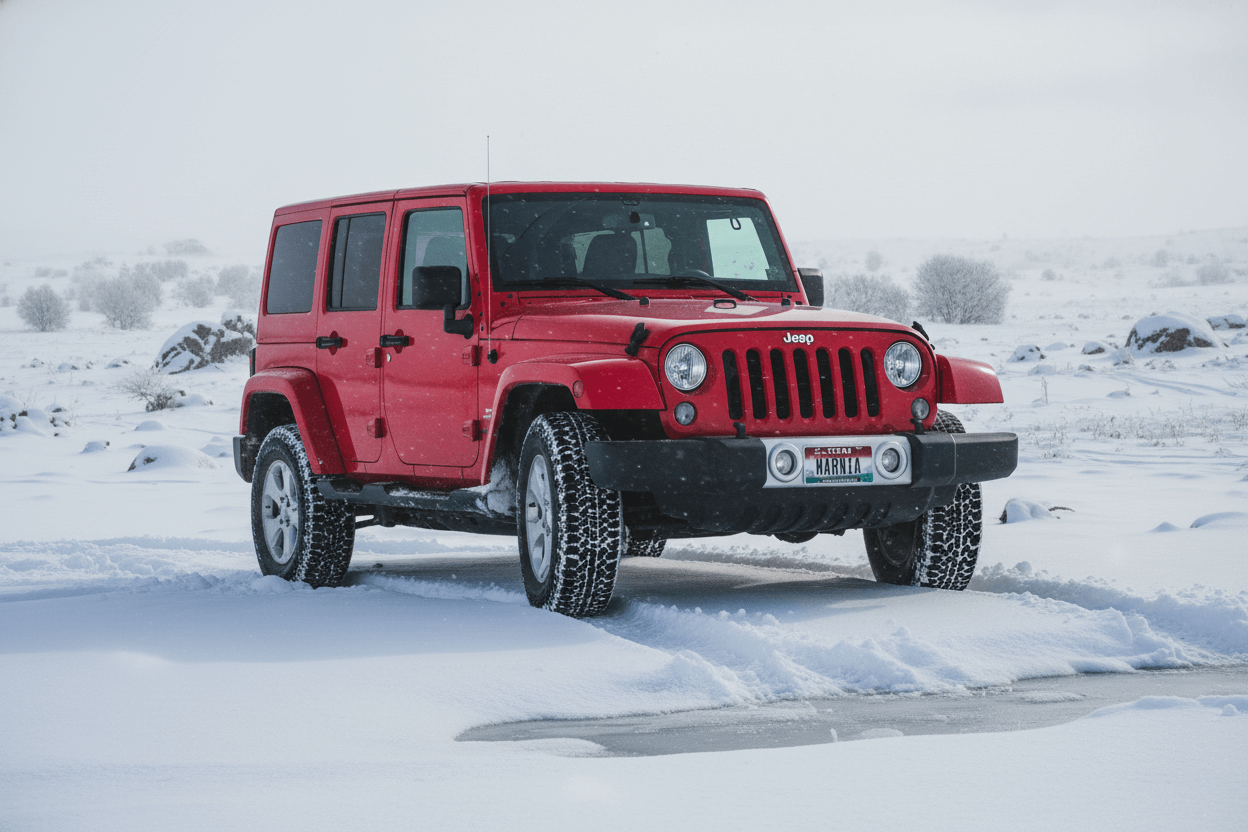
- brand consistency across many outputs
- asset families that reuse the same subjects or product references
- global campaign adaptation across languages and markets
- pro editing controls for angle, lighting, focus, and finish
- 2K or 4K deliverables
- a safer path from concept to reusable production assets
In simple terms, Nano Banana Pro is the stronger answer when the visual has to become part of a larger system.
The Most Practical Verdict
If you work like a designer solving layout-heavy communication problems, Seedream 5.0 Pro is probably the better first model to test.
If you work like a creative team building repeatable commercial assets, Nano Banana Pro is probably the better long-term production model.
That is the most honest way to frame the comparison.
Seedream 5.0 Pro looks stronger for design understanding.
Nano Banana Pro looks stronger for controlled production.
For many real teams, the best workflow may not be picking one forever. It may be using Seedream 5.0 Pro to get the design direction right, then using Nano Banana Pro when consistency, scaling, localization, and higher-spec delivery start to matter more.
FAQ
Is Seedream 5.0 Pro better than Nano Banana Pro?
Not in every situation. Seedream 5.0 Pro looks better for design-led tasks like infographics, posters, packaging concepts, and dense multilingual layouts. Nano Banana Pro looks better for consistency-heavy, production-heavy, and higher-resolution workflows.
Which model is better for posters and infographics?
Based on official positioning, Seedream 5.0 Pro has the stronger argument for posters, infographics, and text-rich design output.
Which model is better for brand assets and repeated campaigns?
Nano Banana Pro. Its product pages place much more emphasis on multi-reference consistency, reusable asset systems, and cross-market production control.
Is Nano Banana Pro better for 4K output?
Yes. Nano Banana Pro is explicitly positioned around higher-resolution output up to 4K, while Seedream 5.0 Pro on Nano Banana's implementation is framed around 1K and 2K output.
Which one should I test first if I only have time for one?
If your main pain point is design communication, test Seedream 5.0 Pro first. If your main pain point is consistency, professional control, and production scaling, test Nano Banana Pro first.
Final Verdict
If your keyword is seedream 5.0 vs nano banana pro, the simplest accurate answer is this:
- Seedream 5.0 Pro is the more design-native choice.
- Nano Banana Pro is the more production-native choice.
Neither answer is vague, and neither requires calling one model universally superior.
The better model is the one that matches the shape of your work.